
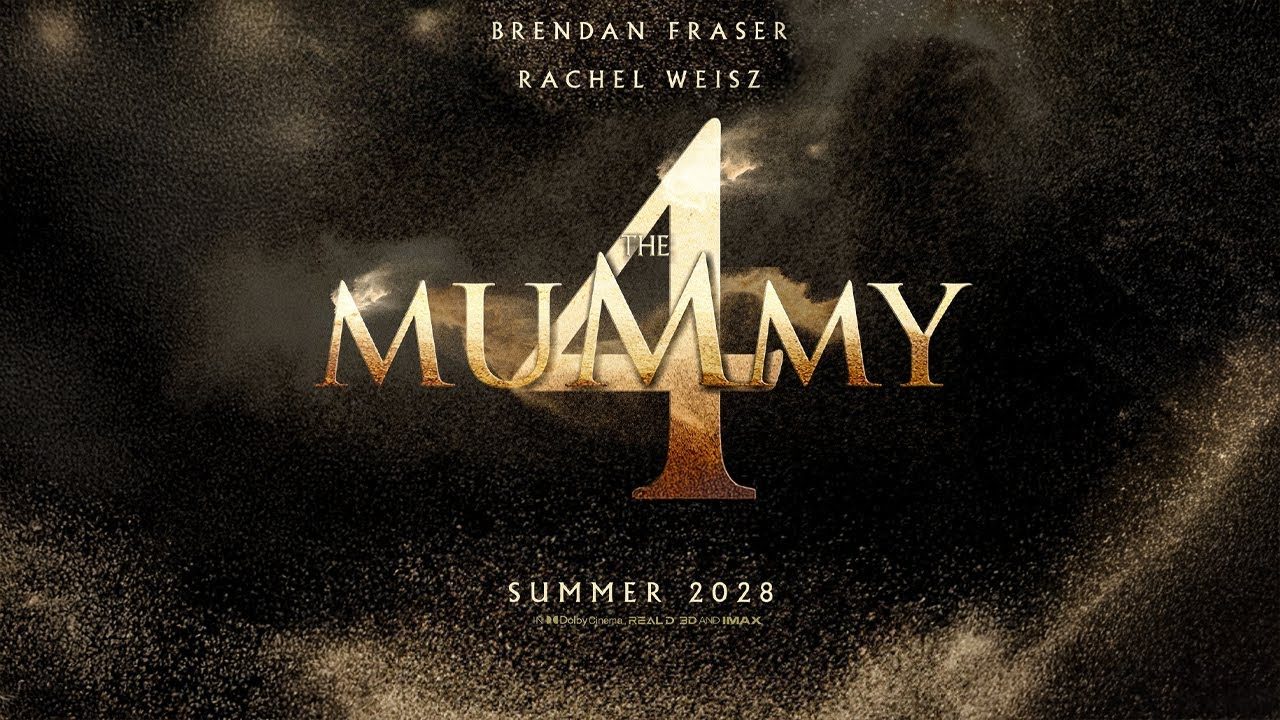
The Mummy Shop TV Show Secrets: 7 Twists You Missed
When the mysterious artefacts from ancient Egypt start disappearing, the camera follows a quirky team of dealers who promise to bring the past back to life. Fans of The Mummy Shop thought they’d seen every betrayal, hidden passage, and cursed relic the series could offer—until they re‑watched the season and uncovered a handful of clever twists hidden in plain sight. This guide reveals seven subtle surprises that slipped under most viewers’ radars, giving you a fresh perspective on the show’s clever storytelling.
The Mummy Shop’s Unexpected Guest
Midway through episode three, a seemingly ordinary buyer turns out to be a secret descendant of an ancient priesthood. The character’s calm demeanor masks a deeper agenda: reclaiming stolen relics for a hidden family vault. This twist redefines the power dynamics in the series, turning a minor transaction into a pivotal plot point. Viewers who missed the faint scar on the guest’s wrist never realized the lineage clue was there.
The revelation also explains why the team suddenly receives cryptic warnings about “the Eye of Horus.” It’s a reminder that every transaction in The Mummy Shop can have hidden motives beyond profit.
Hidden Symbols in the Shop’s Architecture
Fans often focus on the exotic items, but the set design itself tells a story. In the background of several scenes, the walls feature a series of hieroglyphs that, when decoded, outline a map to a lost tomb. The show’s art department slipped this easter egg into the décor, rewarding eagle‑eyed viewers with a clue to the next adventure.
This subtlety becomes crucial in episode six, where the team discovers a loose brick aligning with the map’s coordinates. The twist isn’t just about the treasure; it’s about how the shop’s very foundation guides the plot.
A Double‑Cross That Changes Everything
Near the season finale, the assistant manager appears to betray the crew, stealing a priceless sarcophagus. The audience assumes it’s a simple greed‑driven act, but a second reveal shows the theft was staged to draw out a rival smuggler. The assistant’s “betrayal” is actually a clever trap, turning the tables on the true antagonist.
This twist showcases the show’s love for layered storytelling. It also explains the sudden appearance of a hidden safe house that had never been mentioned before, adding depth to the overall narrative.
Why the Final Curse Was a Red Herring
The series builds tension around an ancient curse that supposedly kills anyone who opens the golden sarcophagus. In the climax, the expected tragedy never occurs. Instead, a clever scientific explanation reveals the “curse” was a contraption designed to release a harmless gas, meant to protect the relic from thieves.
This twist flips the supernatural expectation on its head, reinforcing the show’s theme that knowledge—rather than mysticism—holds the true power. It also ties back to the early episode where a professor talks about Egyptian engineering, rewarding attentive viewers.
By spotting these seven hidden twists, you’ll see The Mummy Shop in a new light. The series rewards curiosity and keen observation, turning every artifact and backdrop into a potential clue. The next time you press play, keep an eye on the details—you never know which secret might surface next.


