
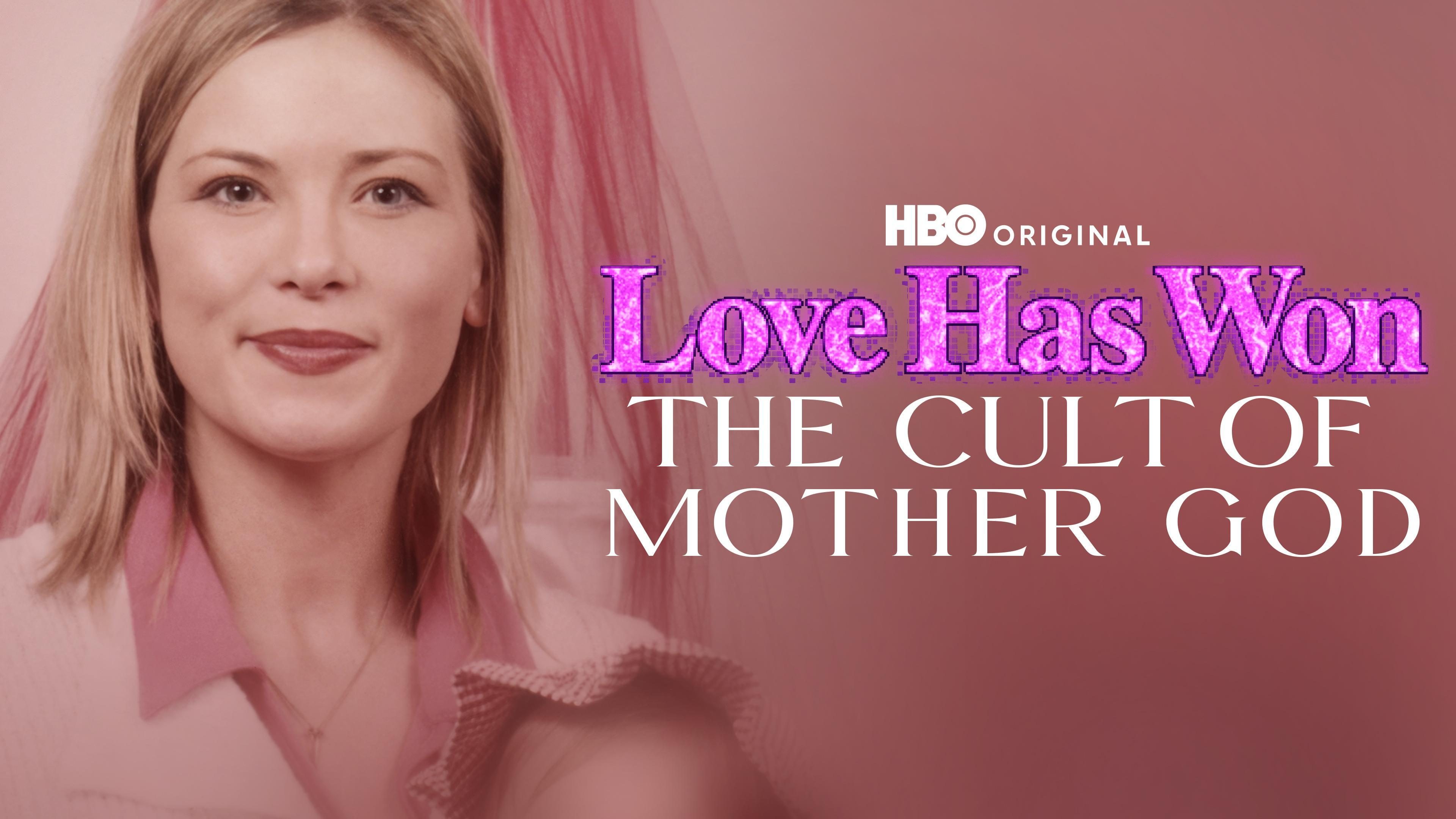
Love Has Won Shop: Does This TV Show Really Change the Game?
When the buzz started around the new reality series Love Has Won Shop, viewers wondered if it was just another shopping‑spree format or a genuine game‑changer in television. The premise promises a blend of drama, exclusive merchandise, and interactive audience participation, all wrapped in a glossy, high‑energy package. As the episodes roll out, it’s worth asking: does this TV show really rewrite the rules of entertainment, or is it simply riding the wave of existing trends? Let’s dive into the show's core elements, its unique selling points, and what the buzz means for both fans and the industry.
The Concept Behind Love Has Won Shop
At its heart, Love Has Won Shop combines a traditional reality‑competition structure with a live‑shopping platform. Contestants battle to create the most compelling product pitches, while a rotating panel of celebrity judges evaluates creativity, market potential, and stage presence. What sets the series apart is the integration of a real‑time e‑commerce store that viewers can access during the broadcast. This approach blurs the line between spectator and consumer, turning passive watching into an active buying experience. The synergy between on‑screen drama and actual sales data offers a fresh perspective on audience engagement.
How the Show Alters Viewer Interaction
Unlike classic reality shows where the audience only votes, Love Has Won Shop empowers viewers to influence outcomes through purchases. Every time a product sells, the creator earns points that directly affect the competition standing. This dynamic creates a feedback loop: popular items rise in the rankings, prompting producers to spotlight emerging trends that resonate with the market. Moreover, the live‑chat feature allows real‑time comments, fostering a community feel that extends beyond the episode’s runtime. By turning viewership into a participatory marketplace, the series redefines the traditional passive consumption model.
Impact on the Retail Landscape
The show's format has rippled into the broader retail sector, inspiring brands to experiment with “shop‑the‑show” experiences. Retailers report spikes in traffic during broadcasts, with some launching limited‑edition items exclusively on the program. This creates a sense of urgency and scarcity that fuels impulse buying. Additionally, the data gathered—from viewer preferences to sales spikes—provides valuable insights for product development. Companies can now gauge market response in real time, shortening the product‑testing cycle and reducing risk. In essence, Love Has Won Shop is becoming a testing ground for modern retail strategies.
Does It Truly Change the Game?
Evaluating the series’ long‑term impact requires looking beyond hype. While the immediate novelty of merging competition with e‑commerce is compelling, sustainability will hinge on the quality of the products and the authenticity of the contestants. Early episodes have faced criticism for over‑produced pitches and a focus on flash over substance. However, the show’s willingness to adapt—by introducing viewer‑generated ideas and refining judging criteria—suggests a commitment to growth. If the program continues to balance entertainment with genuine consumer value, it could establish a new genre that others will emulate.
In conclusion, Love Has Won Shop offers more than just a flashy new reality format; it presents a blueprint for interactive television that directly ties audience engagement to commercial outcomes. While still in its infancy, the series demonstrates the potential for TV to become a dynamic sales channel, blurring the lines between content and commerce. Whether it will maintain its momentum or fade as a fleeting trend remains to be seen, but its influence on both entertainment and retail is undeniable.


