
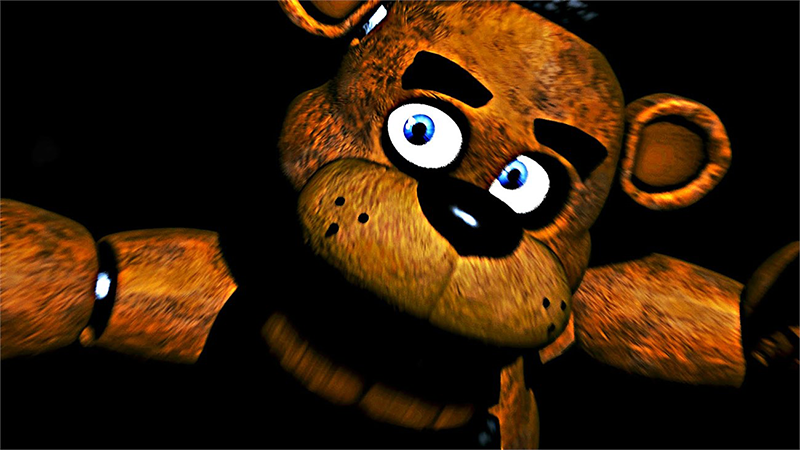
Fnaf Merchandise That Made the TV Show Fanbase Buzz
When the animatronic horror series leapt from screen to shelves, fans could barely contain their excitement. The surge of Fnaf Merchandise not only amplified the show's eerie atmosphere but also sparked a buzzing community of collectors eager to own a piece of the nightmare. From limited‑edition figures to limited‑run apparel, each item became a conversation starter, fueling memes, unboxing videos, and endless speculation about what would appear next. If you’ve ever wondered why the fandom is so obsessed, the answer lies in the clever blend of nostalgia, scarcity, and pure creep factor that these products deliver.
Limited‑Edition Figures That Sparked Hype
Miniature recreations of the notorious animatronics appeared on shelves with a secrecy that made fans scramble. The first wave featured meticulously painted Foxy, Bonnie, and the terrifying Golden Freddy, each tucked in a sealed box that promised a surprise. Collectors posted frantic hauls on social media, and resale markets spiked within hours, turning a simple figure into a coveted collector’s item. The limited runs were deliberately small—sometimes only a few hundred units—creating an urgency that mirrored the show’s jump‑scare tension. This scarcity not only boosted sales but also reinforced a sense of community as fans swapped tips on where to find the next hidden treasure.
Why Fnaf Merchandise Dominates Fan Conversations
The apparel line took the excitement to a new level, offering everything from subtle, minimalist tees to bold, glow‑in‑the‑dark hoodies. What set these garments apart was their attention to detail: hidden graphics that revealed themselves under blacklight, or stitching that mimicked the pizzeria’s iconic signage. Fans loved wearing the gear to conventions, instantly recognizing each other in the crowd. The sense of belonging was palpable; a simple T‑shirt became a badge of honor, signaling that the wearer was part of the inner circle. Social media challenges—like “show us your scariest Fnaf outfit”—flooded timelines, turning the merchandise into a viral phenomenon.
Collectible Plushes and Their Viral Moments
Nothing captures the unsettling charm of the series quite like the oversized plush toys. When a life‑size Chica plush arrived on a popular creator’s doorstep, the unboxing video amassed millions of views within days. The plush’s eerie smile and strategically placed eyes seemed to follow viewers, prompting countless reaction videos and meme edits. Limited editions, such as the “Freddy Fazbear Nightmare” plush with stitched scars, added an extra layer of exclusivity. These plushes didn’t just sit on shelves; they spurred a wave of user‑generated content that kept the conversation alive long after the initial launch.
Exclusive Bundles and Community Impact
The final wave of excitement came from curated bundles that combined figures, apparel, and digital perks. These packages often included behind‑the‑scenes artwork, QR codes for exclusive in‑game items, and signed memorabilia from the show’s creators. Fans felt they were receiving a direct line to the franchise, deepening their emotional investment. Moreover, a portion of the proceeds was frequently donated to charitable causes, intertwining fandom enthusiasm with social good. This strategy not only bolstered sales but also fostered a sense of purpose, turning casual collectors into lifelong advocates of the brand.
In the end, the whirlwind of Fnaf Merchandise proved that astute product drops can do more than just generate revenue—they can galvanize an entire community. By blending scarcity, quality, and interactive experiences, each item became a catalyst for fan engagement, keeping the TV show’s dark allure alive long after the final episode aired.


