
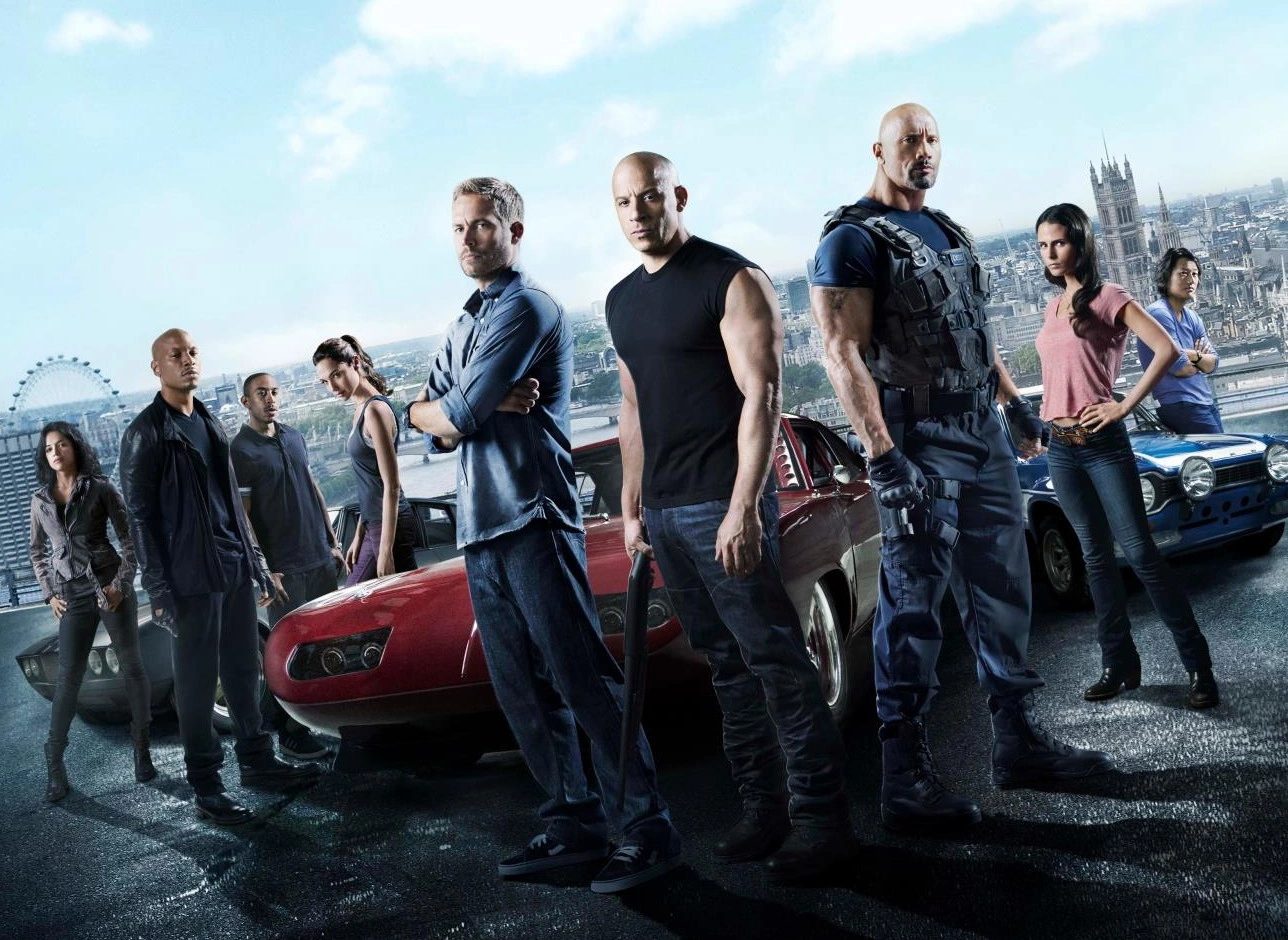
Fast And Furious Store: Inside the Show That Revved Up TV
When the neon lights of downtown flickered and the roar of engines echoed through the studio, viewers knew they were about to witness something special. The Fast And Furious Store wasn't just a set piece; it was the heartbeat of a television phenomenon that turned car culture into prime‑time drama. In this behind‑the‑scenes look, we’ll explore how a simple storefront became the catalyst for a show that revved up audiences worldwide.
The Birth of the Fast And Furious Store
It all started when a small, gritty garage was transformed into a glossy retail space designed to showcase the latest in high‑performance automotive accessories. Producers wanted a location that felt authentic yet could serve as a dynamic backdrop for on‑air challenges. By blending real‑world products with theatrical flair, the Fast And Furious Store instantly captured the imagination of both car enthusiasts and casual viewers.
Location scouts scoured industrial districts until they found a spot with the perfect combination of street credibility and camera‑friendly angles. The interior was stripped down to concrete walls and stainless‑steel fixtures, then meticulously staged with neon signs, custom paint jobs, and a lineup of rare supercars. This blend of reality and spectacle set the tone for a series that would blur the line between showbiz and gearhead culture.
Behind the Scenes: Crafting the Show’s Energy
Every episode began with a frantic scramble as crew members raced to set up challenges that tested the limits of driver skill and vehicle performance. The Fast And Furious Store served as the command center, where hosts introduced the day's missions, unveiled secret upgrades, and revealed the stakes. Lighting rigs were positioned to highlight the gleam of chrome and the flash of turbochargers, turning each segment into a visual feast.
Beyond the flashy visuals, the production team invested heavily in safety and authenticity. Real mechanics were consulted to ensure each modification was plausible, while stunt drivers rehearsed stunts in a controlled environment. This dedication to realism helped the audience feel the adrenaline surge, making the store feel less like a set and more like a living, breathing hub of car culture.
Impact on Fans and the Automotive Community
The Fast And Furious Store quickly became a pilgrimage site for fans, who flooded social media with photos of the iconic neon sign and the featured rides. Community events were hosted at the location, offering workshops on tuning, detailing, and even basic engine repair. By bridging entertainment with education, the show cultivated a new generation of DIY enthusiasts eager to replicate stunts in their own garages.
Car manufacturers also saw a surge in interest after each episode aired. Limited‑edition accessories showcased in the store sold out within hours, and collaborations with aftermarket brands turned the series into a powerful marketing platform. The ripple effect extended beyond television, influencing trends at regional car meets and sparking discussions in online forums worldwide.
Legacy and the Future of the Fast And Furious Store
Years after its debut, the Fast And Furious Store remains a cultural touchstone, symbolizing the intersection of pop media and automotive passion. Its success paved the way for spin‑off series, merchandise lines, and even virtual reality experiences that let fans explore the showroom from their living rooms. The brand's adaptability demonstrates how a well‑crafted set can evolve into a lasting legacy.
Looking ahead, the creators plan to integrate emerging technologies like electric hypercars and AI‑driven diagnostics into the store’s narrative. By staying ahead of industry trends, the Fast And Furious Store will continue to rev up TV audiences and keep the roar of engines echoing through screens for years to come.


