
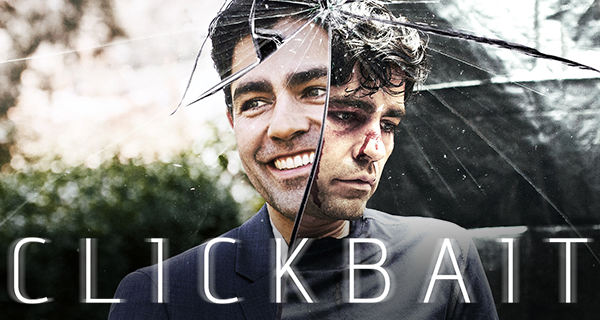
Clickbait Shop Tactics: TV Shows Turning Viewers into Fans
Ever felt a sudden urge to binge‑watch a show after seeing a wildly exaggerated teaser? That magnetic pull isn’t an accident; it’s the result of clever Clickbait Shop tactics that turn casual viewers into devoted fans. Television producers have mastered the art of teasing just enough intrigue to spark curiosity, then delivering enough payoff to keep audiences hooked. In this blog, we’ll explore how these strategies work, why they’re so effective, and what they mean for both creators and viewers in today’s media landscape.
How Clickbait Shop Tactics Convert TV Audiences
At the core of every successful teaser is a promise that feels impossible to ignore. By highlighting a shocking twist, a cliff‑hanger, or a controversial moment, the promotional material hijacks the viewer’s imagination. The audience is left wondering “What happens next?” and is compelled to click, stream, or tune in. This approach mirrors classic clickbait tactics used online, but adapted for the longer narrative arcs of TV series. The result is a surge in initial viewership that can catapult a show into trending status within days of its premiere.
Strategic Teasers: Balancing Mystery and Information
The most effective Clickbait Shop methods strike a delicate balance between revealing enough to intrigue and withholding just enough to maintain suspense. For example, a preview might showcase a dramatic confrontation without disclosing the characters’ motivations, prompting speculation across social media. This speculation fuels organic discussions, memes, and fan theories, effectively providing free advertising. Networks also schedule “mid‑season trailers” that reignite interest, ensuring the show stays in the conversation long after the first episode airs.
Another key tactic is using real‑time data to tweak promotional content. By analyzing which clips generate the most clicks, marketers can emphasize those moments in subsequent ads, creating a feedback loop that continuously refines audience engagement.
From Viewers to Fans: The Role of Community Building
Once a viewer clicks on a teaser and watches the episode, the next step is converting that interest into loyalty. Interactive elements—such as live‑tweet chats, behind‑the‑scenes clips, and exclusive bonus content—invite audiences to become part of a larger community. When fans feel they have insider access, they’re more likely to invest emotionally and financially, whether through merchandise, subscription upgrades, or fan events.
These community‑centric strategies also amplify word‑of‑mouth promotion. Fans share their excitement, dissect plot points, and create fan art, all of which extend the reach of the original Clickbait Shop campaign far beyond traditional advertising channels.
Potential Pitfalls and Ethical Considerations
While Clickbait Shop tactics can be powerful, they also risk alienating viewers if the content fails to deliver on its promises. Overhyping a plot twist that ends up feeling unearned can lead to backlash, negative reviews, and a loss of trust. Moreover, excessive reliance on sensationalism may drown out substantive storytelling, reducing a show’s long‑term cultural impact.
Ethical marketers therefore aim for a balance: the teaser should be tantalizing but truthful, offering a glimpse of the show’s core themes and quality. When done right, the strategy not only drives initial clicks but also cultivates a genuine fan base that sustains the series across seasons.
In the age of rapid content consumption, Clickbait Shop tactics have become a linchpin for television success. By mastering the art of persuasive teasers, leveraging data‑driven adjustments, and fostering vibrant fan communities, creators can transform fleeting curiosity into lasting fandom. As viewers, recognizing these techniques empowers us to make more informed choices about the shows we invest our time in, ensuring that our entertainment is both compelling and rewarding.


