
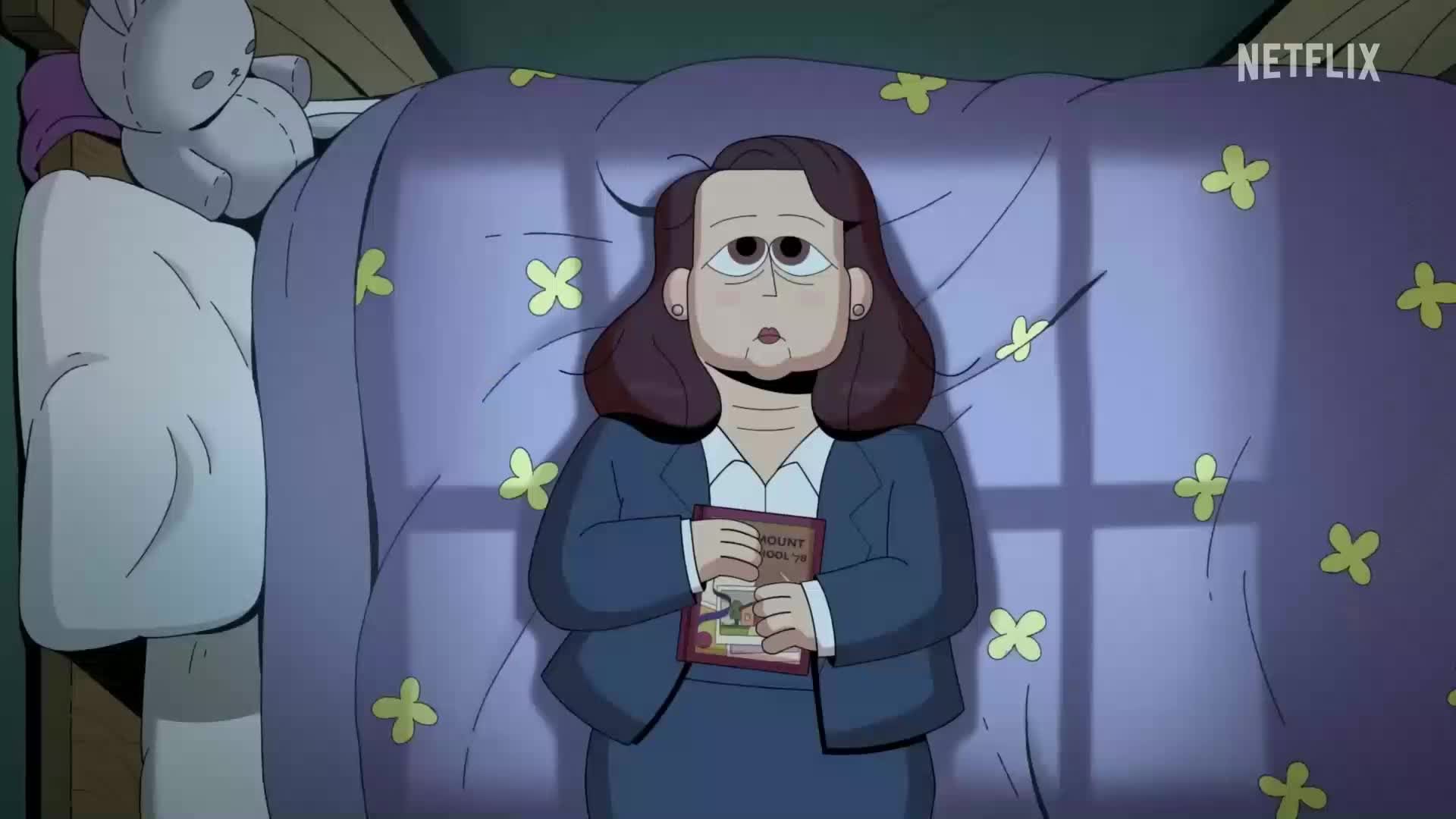
Carol And The End Of The World Shop: TV’s Quirky New Drama
When you hear the title Carol And The End Of The World Shop, you might expect a bleak apocalypse story. Instead, you get a delightfully quirky drama that mixes witty banter with an oddly comforting setting. The series bursts onto the screen with neon-lit aisles, eccentric shopkeepers, and a mystery that slowly unfolds between the shelves. It’s a fresh take on the end‑times genre, inviting viewers to laugh, gasp, and wonder what a “shop” could possibly symbolize when the world is ending. If you’re searching for something that feels both familiar and wildly original, this show is worth a binge.
The Offbeat Premise and World‑Building
Carol And The End Of The World Shop is set in a small, rundown corner store that somehow becomes the epicenter of a global crisis. The shop’s owner, Carol, discovers that the inventory—odd trinkets, vintage books, and cracked radios—holds clues to the impending disaster. Each episode peels back a layer, revealing how everyday objects can carry profound meaning. The series cleverly uses the shop’s cramped atmosphere to heighten tension, making the mundane feel ominous. Yet the creators balance darkness with bright, almost whimsical lighting that keeps the tone playful.
The world outside the shop is depicted through stark, desaturated shots, contrasting sharply with the store’s colorful interior. This visual dichotomy reinforces the show’s central idea: hope can thrive even in the bleakest settings. By focusing on a single, relatable location, the drama invites viewers to imagine how they might survive an apocalypse in the most ordinary places.
Cast and Character Chemistry
The heart of Carol And The End Of The World Shop lies in its ensemble cast. Carol, played by a seasoned actress known for offbeat comedies, brings a blend of sarcasm and warmth that makes her instantly likable. Her sidekick, a teenage tech whiz named Milo, provides the series with sharp, fast‑paced dialogue and a fresh perspective on the looming threat. Meanwhile, the mysterious regular customers—each harboring secret agendas—add layers of intrigue.
What really shines is the chemistry between the characters. Their banter feels natural, and the actors manage to convey genuine affection amid chaotic circumstances. Scenes where they share a quiet moment over a dusty vinyl record or argue over a broken vending machine underscore the show’s ability to blend humor with heartfelt moments. This interplay keeps the audience invested, rooting for these unlikely heroes as they navigate the end of the world.
The Drama’s Unique Blend of Humor and Hope
Few series manage to swing between comedy and existential dread as smoothly as this one. The writers pepper each episode with witty one‑liners that lighten the mood without undermining the stakes. For instance, a recurring gag involves a faulty espresso machine that “predicts” the next catastrophe based on the foam patterns. Such humor makes the apocalypse approachable, allowing viewers to reflect on larger themes without feeling overwhelmed.
Beyond laughs, the show explores deeper ideas about community, resilience, and the power of small acts. Carol’s shop becomes a sanctuary where strangers unite, share stories, and support each other. The series suggests that even when society collapses, human connection can spark a new beginning. This optimistic undercurrent is what sets Carol And The End Of The World Shop apart from typical disaster dramas.
In conclusion, Carol And The End Of The World Shop offers a refreshing twist on the end‑times narrative, blending quirky humor, strong performances, and a hopeful message. It reminds us that even in the darkest moments, an unlikely storefront can become a beacon of humanity. If you’re ready for a series that makes you smile while contemplating the apocalypse, give this quirky new drama a try—you won’t be disappointed.


