
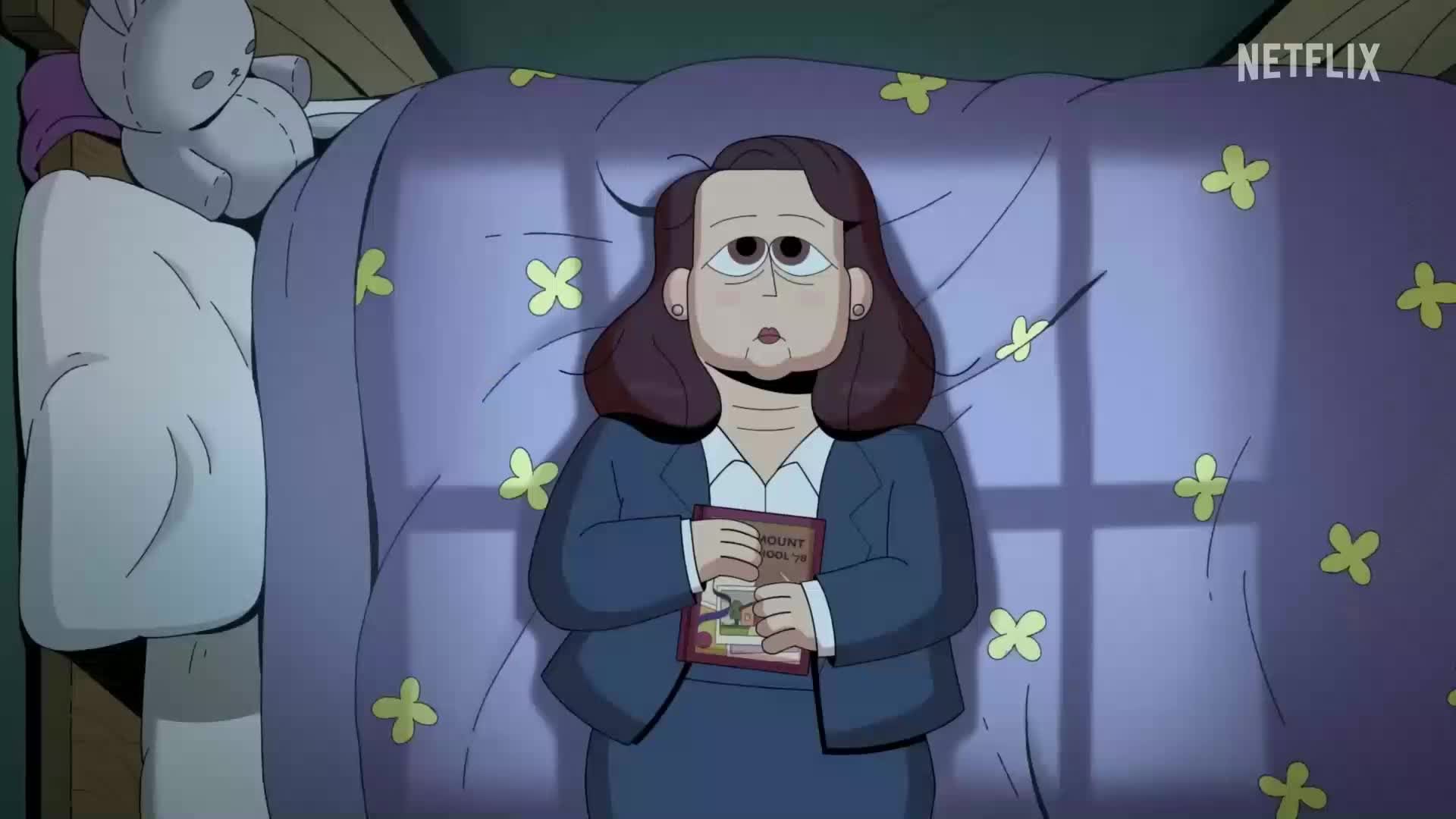
Carol And The End Of The World Shop: TV Show’s Dark Allure
When you first hear the name Carol And The End Of The World Shop, you can’t help but feel a shiver of curiosity. This TV show mixes dystopian whispers with a haunting boutique vibe, pulling viewers into a world where every product tells a story of survival and secrets. It’s a dark allure that keeps audiences binge‑watching, dissecting every clue, and dreaming about the mysterious shop’s hidden aisles. Let’s step inside and explore why this series has become a cult favorite.
The Premise and Setting: A Shop at the Edge of Reality
At its core, Carol And The End Of The World Shop follows the enigmatic shopkeeper Carol, who runs a tiny storefront in a crumbling city that seems to exist after civilization’s collapse. The shop isn’t just a place of commerce; it’s a crossroads where memories, regrets, and futures are bartered. Each episode reveals a new item—an old photograph, a broken watch, a jar of ash—that carries a poignant backstory.
The setting amplifies this concept. The streets are littered with abandoned vehicles and graffiti that whispers forgotten histories. Neon signs flicker against a permanent dusk, creating a surreal atmosphere that feels both post‑apocalyptic and surreal. The juxtaposition of mundane objects with existential dread gives the series a uniquely compelling tone.
Characters That Drive the Dark Allure
Carol herself is a study in mystery. Her calm demeanor masks a past riddled with loss, making her both a guide and a guardian of secrets. Supporting characters—like the shy teenager who trades a broken violin for a memory of home, or the weary traveler who seeks redemption through a single, cursed book—add layers of human emotion to the bleak backdrop.
The show excels at showing how every character’s choice reflects a larger theme: the cost of hope in a world that seems to have lost its direction. Their interactions within the shop become micro‑dramas that mirror the larger societal collapse, allowing viewers to see reflections of their own fears and desires.
Visual Style and Cinematic Influences
The visual palette draws heavily from neo‑noir and cyber‑punk aesthetics, using muted greys punctuated by sudden bursts of color—like a red scarf or a glowing trinket. Camera work often lingers on the shop’s aisles, inviting the audience to examine the details that hint at hidden stories.
Director’s choices, such as slow zooms on dust‑covered shelves or tight close‑ups of trembling hands, create an intimate feeling, as if the viewer is a silent participant in each transaction. This cinematic language reinforces the series’ dark allure, making every scene feel like a puzzle piece waiting to be placed.
Cultural Impact and Fan Reception
Since its debut, Carol And The End Of The World Shop has sparked vibrant online discussions. Fans create theories about the origins of the shop’s items, and artists craft fan‑art that reimagines the boutique’s interior. Social media hashtags dedicated to the series trend weekly, showing the show’s growing influence.
Critics praise the show for its blend of philosophical depth and visual storytelling. It’s been lauded as a fresh take on dystopian narratives, standing out amid typical apocalyptic tropes. The series’ ability to weave personal stories into a larger commentary on humanity’s resilience resonates deeply with viewers seeking meaning in chaotic times.
In summary, Carol And The End Of The World Shop is more than a TV show; it’s an immersive experience that invites you to explore the thin line between hope and despair. Through its haunting setting, richly drawn characters, striking visuals, and cultural buzz, the series has carved out a niche that is both dark and oddly comforting. If you haven’t yet entered its eerie aisles, now is the perfect time to discover what lies beyond the glass door.


