
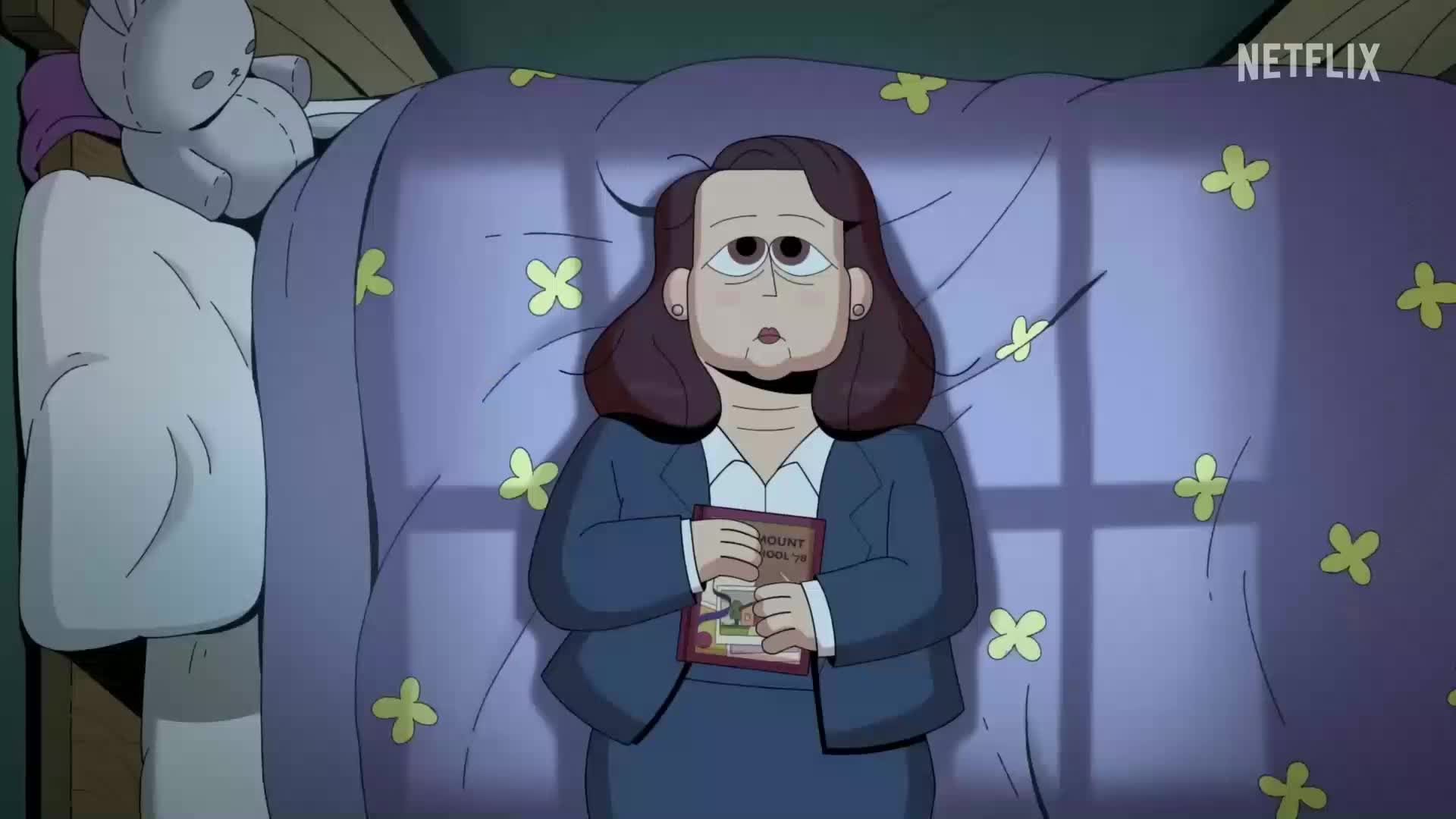
Carol And The End Of The World Shop: TV Show Secrets
When “Carol And The End Of The World Shop” first hit the streaming platforms, viewers were instantly drawn into its quirky blend of humor and apocalyptic drama. The show’s clever writing and unforgettable characters quickly turned it into a cult favorite. Yet, beneath the laughter lies a treasure trove of secrets that only the most observant fans have uncovered. In this post, we’ll peel back the curtain and reveal the hidden details that make the series a truly unique viewing experience.
Carol And The End Of The World Shop: Behind the Scenes
The production team faced a unique challenge: creating a shop that looked both everyday and post‑apocalyptic. Set designers scoured thrift stores for vintage signage, then mixed in custom‑crafted props that hinted at a world on the brink. Each shelf is meticulously stocked with items that tell a story—old newspapers, half‑eaten snacks, and mysterious trinkets that hint at the characters’ pasts.
Director Maya Liu said the shop itself acts as a character. “It’s the hub where everything converges,” she explained during a recent interview. The lighting design reinforces this idea, using warm amber tones during moments of comfort and cold blue hues when tension rises. The result is a space that feels lived‑in, no matter how chaotic the plot becomes.
Hidden Easter Eggs Fans Missed
Fans love to hunt for Easter eggs, and this series delivers in abundance. One subtle nod appears on the back wall of the shop: a faded poster advertising a 1998 concert that actually took place in the city where the show is filmed. It’s a clever wink to locals who recognize the venue.
Another secret lies in the background music. During the episode where Carol discovers a mysterious ledger, the faint strains of a 1970s synth track play—an homage to the creator’s favorite sci‑fi soundtrack. The track is listed in the episode’s credits under “unreleased material,” rewarding attentive viewers with an extra layer of meaning.
Even the cash register has a story. Its serial number, 04261984, matches the birthday of the show’s lead writer. This tiny detail may seem insignificant, but it underscores the personal connection the creators have with the world they’ve built.
The Influence of Real‑World Shops on Storytelling
“Carol And The End Of The World Shop” draws inspiration from actual independent stores that serve as community anchors. The creators visited dozens of local boutiques, noting how these spaces foster conversation and resilience. They translated that vibe into the series, making the shop a sanctuary amid chaos.
Psychologists note that familiar environments can reduce anxiety in crisis narratives. By grounding the apocalyptic premise in a relatable setting, the show invites viewers to imagine how they would cope in similar circumstances. The shop’s layout—open aisles, a cozy seating nook, a community bulletin board—mirrors real places where people share news and support each other.
Additionally, the shop’s merchandise reflects the show’s themes. Items such as “Last‑Day Latte” mugs and “Survival Snacks” packs appear on screen before they ever hit the real market, blurring the line between fiction and consumer culture.
What the Future Holds for the Series
As the season draws to a close, speculation about the next chapter is rampant. Rumors suggest the shop will expand beyond its current setting, perhaps opening a satellite location in a neighboring town. This would allow new characters to intersect with the core cast, deepening the narrative web.
The show’s writers have hinted at a spin‑off focused on the enigmatic supplier who delivers the mysterious packages to the shop. If that materializes, it could explore the supply chain of a world teetering on the edge, offering fresh perspectives on survival economics.
Regardless of where the story goes, the blend of humor, heart, and hidden details will continue to captivate audiences. “Carol And The End Of The World Shop” proves that even in a setting teeming with dread, there’s always room for a laugh and a secret waiting to be discovered.
In the end, the series reminds us that community—and the places that nurture it—are the true lifelines in any crisis. As fans, we’ll keep watching, dissecting, and celebrating every clue the creators embed in the shop’s aisles. The adventure is far from over, and the next hidden gem may be just around the corner.


