
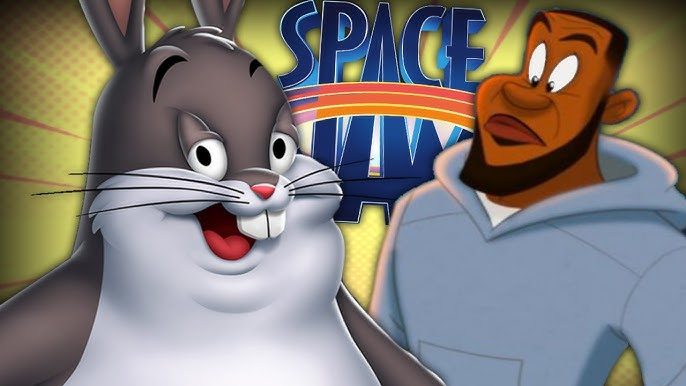
Big Chungus Official Merchandise Shines in TV Show Cameos
When a meme leaps from internet jokes onto the big screen, it becomes a cultural moment. Big Chungus, the oversized cartoon rabbit that started as a playful Photoshop gag, has finally found a home beyond memes. In recent months, the character’s official merch has been spotted in several popular TV series, turning a simple joke into a collectible icon. Viewers now see the quirky design on character shirts, background props, and even as Easter eggs that fans love hunting. This crossover not only boosts the brand’s visibility but also proves that meme‑powered merchandise can thrive in mainstream media.
Big Chungus Official Merchandise Takes Center Stage in TV Cameos
In the latest season of the comedy series “Laugh Track,” a background character wears a T‑shirt emblazoned with the Big Chungus design. The shirt appears for just a few seconds, but keen‑eyed viewers instantly recognized it. A similar cameo happened in the sci‑fi drama “Future Frontier,” where a holo‑board in the control room displayed the iconic rabbit. Even a reality‑competition show used a Big Chungus mug as a giveaway prop. These brief flashes turned the meme into a visual punchline that seasoned fans could appreciate.
Producers treat these moments as low‑cost product placements that still generate big buzz. The agreement between the merch team and the show's marketing department is usually straightforward: provide a few items, receive screen time, and watch social media explode. Because the design is instantly recognizable, it adds humor without distracting from the storyline. The result is a win‑win for both the show and the brand.
Why TV Shows Choose Meme Merchandise
Television creators constantly search for fresh ways to connect with youthful audiences. Meme merchandise offers a shortcut to cultural relevance. By slipping the Big Chungus graphic into a scene, writers tap into a shared online language that resonates with viewers across demographics. The humor feels organic, and the reference can become a talking point in after‑show discussions.
From a budget perspective, these items are inexpensive compared to traditional ad spots. A single shirt or prop can appear in a single episode, yet it can spark dozens of online posts, memes, and fan theories. That organic amplification often outweighs the cost of a full‑scale commercial campaign, making meme merch an attractive option for cost‑conscious producers.
The Impact on Fans and Collectors
When fans spot the bunny on screen, the reaction is immediate. Tweets, TikTok clips, and Instagram stories flood with the hashtag tied to the episode. This social surge drives curious viewers to search for the merchandise online, boosting sales within hours. Collectors, who already chase limited‑edition items, view the TV cameo as a validation of the product’s cultural weight.
Scattered anecdotes from forums reveal that many buyers purchased the official shirt after seeing it on their favorite show. The sense of “I own what I saw on TV” creates a deeper emotional bond with the brand. In turn, the brand gains loyalty from a demographic that values authenticity and pop‑culture relevance.
Future Trends and What to Expect
As the line between internet memes and mainstream media continues to blur, more shows are likely to feature meme‑driven accessories. We can anticipate strategic collaborations where the design evolves for specific genres—perhaps a noir‑style Big Chungus silhouette for a mystery series or a futuristic holographic version for a cyber‑punk drama. These variations keep the concept fresh while maintaining brand continuity.
Limited‑edition drops timed with episode releases will become a common marketing play. Fans may receive exclusive discount codes embedded in on‑screen graphics, prompting immediate purchases. By syncing merchandising with storytelling, the brand ensures that each cameo translates into measurable engagement and sustained growth.


