
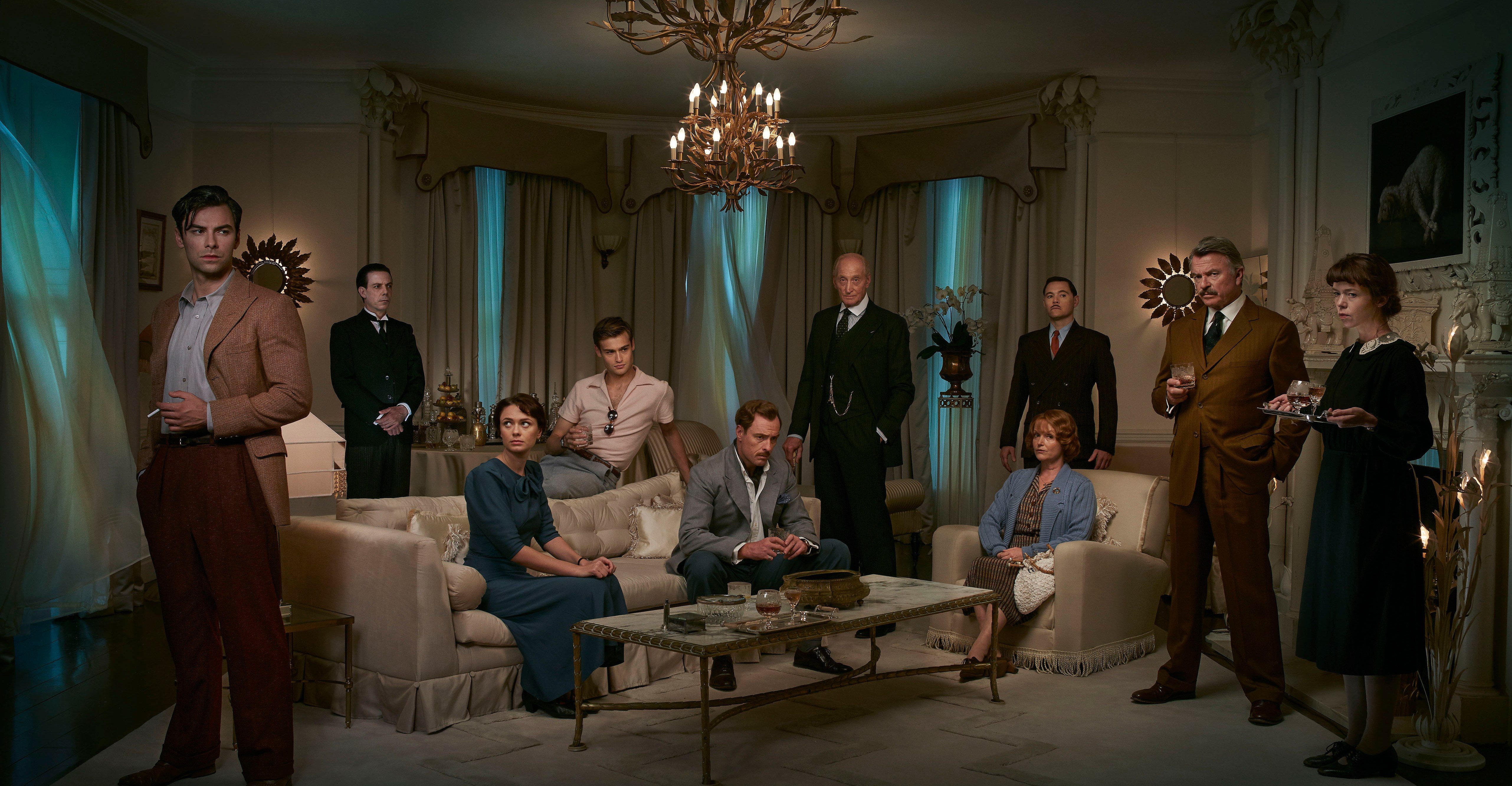
And Then There Were None Store: Secrets Behind the TV Show
When the first episode of the hit mystery series aired, fans were instantly drawn into the chilling atmosphere of the And Then There Were None Store, a seemingly ordinary shop that quickly became the epicenter of intrigue. Behind the polished set and dramatic lighting lie a trove of secrets that help explain why the series captivated audiences worldwide. In this post we’ll pull back the curtain and reveal the production tricks, design choices, and storytelling techniques that make the And Then There Were None Store such a memorable backdrop.
Design Secrets: Crafting the Store’s Atmosphere
The set designers studied classic Victorian storefronts to give the And Then There Were None Store an authentic yet unsettling feel. They sourced reclaimed wood, aged brass fixtures, and dusty glass panes to create a sense of timeless decay. Each prop— from the cracked porcelain mugs to the weathered cash register— was selected for its story potential, allowing actors to interact with the environment in ways that hinted at hidden narratives.
Lighting played a pivotal role, too. Soft amber tones highlight the store’s nostalgic charm, while sudden shifts to stark white or deep shadows signal impending danger. The crew used programmable LEDs hidden behind the shelving to transition lighting instantly, a trick that kept the tension high without halting filming.
Storytelling Techniques: How the Store Drives the Plot
Beyond its visual appeal, the And Then There Were None Store functions as a narrative engine. Writers embed clues within the store’s layout— a misplaced ledger, a cryptic graffiti tag, or a locked compartment behind a row of jars. These elements encourage viewers to become detectives, piecing together evidence between scenes.
The show also employs a “store‑centric” structure, where each episode focuses on a different corner of the shop. This approach ensures that even minor details gain significance, and it allows the series to explore various character backstories while maintaining a cohesive setting.
Technical Tricks: Seamless Filming in a Confined Space
Filming inside the And Then There Were None Store presented unique challenges, especially when it came to camera movement. The production team installed a rail system along the ceiling, enabling smooth dolly shots that glide through narrow aisles without intruding on the set.
To keep the illusion of a real, bustling shop, the crew used hidden speakers to play ambient noises— distant traffic, a ticking clock, the low hum of an old refrigerator. These sound layers were recorded on location and mixed in post‑production, giving the store an immersive, lived‑in quality that audiences could feel.
Marketing Magic: Turning the Store into a Fan Destination
After the series gained momentum, the And Then There Were None Store transitioned from a set piece to a real‑world attraction. The production company partnered with a boutique retailer to recreate the shop’s iconic interior, complete with replica props and interactive puzzles. Visitors can now solve mini‑mysteries that mirror the show’s plot twists, deepening engagement and driving merchandise sales.
Social media campaigns further amplify the store’s allure. Short behind‑the‑scenes clips, livestream tours, and fan‑generated theories are regularly shared, turning the And Then There Were None Store into a living experience that extends beyond the screen.
From its meticulous design to its clever storytelling and innovative filming techniques, the And Then There Were None Store stands as a testament to how a single location can anchor an entire series. By blending visual detail, narrative depth, and interactive fan experiences, the creators have ensured that the store remains etched in viewers’ minds long after the final episode fades to black.


